
Search Results

DIN 2095 vs ISO: Standards Comparison for Technical Springs

Understanding the differences between DIN 2095 vs ISO is crucial in the field of technical springs. As manufacturers, we need to ensure our industrial springs meet the right standards for quality and performance. The choice between these standards impacts the design, manufacturing, and application of compression springs. Both provide guidelines on spring tolerances, material properties, and testing procedures. However, significant differences affect how we approach spring manufacturing. By examining these distinctions, we can make informed decisions to meet customer needs and industry requirements. In this article, we delve into the key differences between DIN 2095 and ISO standards for technical springs. We aim to provide clarity for those seeking solutions related to industrial springs and help optimize their spring design processes. The Importance of Standards in Spring Manufacturing In spring manufacturing, adherence to standards ensures consistency and reliability. DIN 2095 and ISO standards serve as benchmarks for quality control in producing industrial springs. They guide us in aspects like material selection, spring dimensions, and load capacities. By following these standards, we can reduce defects and improve product performance. Manufacturing processes are streamlined when we have clear guidelines. This benefits not only us as manufacturers but also our customers who rely on the durability of our technical springs. Understanding the nuances between DIN 2095 vs ISO helps us tailor our processes to meet specific requirements. It also allows us to stay competitive in the global market by complying with internationally recognized mechanical engineering practices. Overview of DIN 2095 Standard DIN 2095 is a German standard specifying requirements for cylindrical helical compression springs made from round wire. It focuses on spring tolerances, surface quality, and load-deflection characteristics. By adhering to DIN 2095, we ensure our compression springs meet precise dimensional accuracy. This is vital for applications requiring high levels of precision engineering. The standard provides detailed classifications based on tolerance classes, influencing the spring’s performance under load. For manufacturers like us, following DIN 2095 means committing to stringent quality assurance procedures. It impacts our testing methods, requiring specific load testing equipment. Understanding DIN 2095 allows us to produce technical springs that meet exacting industry demands. Overview of ISO Standards for Springs The ISO standards provide international guidelines for various types of springs, including compression springs, extension springs, and torsion springs. ISO 2162 and ISO 26909 are examples outlining specifications for spring design and testing. By following ISO standards, we align our manufacturing processes with globally recognized practices. This broadens our market reach and facilitates international trade. The standards cover aspects like material properties, surface treatments, and environmental considerations. Compliance with ISO standards ensures our industrial springs meet diverse customer requirements across regions. It also emphasizes sustainability and safety, increasingly important in today’s market. Understanding ISO standards helps us stay adaptable and responsive to global industry trends. Key Differences Between DIN 2095 vs ISO Standards When comparing DIN 2095 vs ISO, key differences emerge. DIN 2095 is more specific, focusing on compression springs made from round wire. It provides detailed guidelines on tolerances and testing methods. In contrast, ISO standards cover a wider range of spring types and applications. They offer general guidelines suitable for international use. Material specifications may differ between the standards, affecting our material selection. Testing procedures also vary; DIN 2095 may require more rigorous load testing protocols. Understanding these differences is essential for informed decisions in our manufacturing processes. It affects everything from product design to quality control, influencing customer satisfaction. Impact on Spring Design and Material Selection The choice between DIN 2095 vs ISO impacts our spring design and material selection. DIN 2095 may necessitate specific steel grades to meet its stringent requirements. This influences the mechanical properties of the technical springs we produce. Under ISO standards, we might have more flexibility, allowing innovations like alloy steels or stainless steels. Design parameters such as spring index, coil diameter, and wire diameter are affected by the chosen standard. Adhering to the appropriate standard ensures our industrial springs perform as expected. It also impacts our ability to meet customer specifications and regulatory requirements. Manufacturing Processes Under Different Standards Our manufacturing processes are shaped by the standards we follow. Under DIN 2095, we may need to implement stricter quality control measures. This includes precise machining and meticulous surface finishing to meet the standard’s requirements. ISO standards might allow for more standardized production techniques, enabling us to optimize efficiency. The choice between DIN 2095 vs ISO affects our use of manufacturing equipment and process automation. It can influence production costs and lead times. Understanding how each standard impacts our processes helps us plan and allocate resources effectively. It ensures we maintain high levels of product quality while meeting industry expectations. Quality Control and Testing Procedures Quality control is paramount in producing reliable technical springs. DIN 2095 prescribes specific testing procedures, including detailed load-deflection testing and tolerance measurements. We must use calibrated testing equipment to ensure compliance. ISO standards also emphasize quality but may offer more generalized testing methods. They focus on ensuring that industrial springs meet international benchmarks for performance and safety. The choice between DIN 2095 vs ISO influences our quality assurance protocols. It determines the frequency and type of tests we conduct. Adhering to these standards helps us minimize defects and meet customer expectations for reliable compression springs. Application Considerations for Different Industries Different industries have varying requirements for technical springs. In sectors like automotive engineering, adherence to DIN 2095 might be preferred due to its precision. For global industries such as aerospace or medical devices, compliance with ISO standards may be more appropriate. Understanding the specific needs of each industry helps us choose between DIN 2095 vs ISO. It allows us to tailor our products to meet regulatory compliance and performance needs of our clients. By aligning with the right standard, we enhance our credibility and expand market opportunities. Benefits of Compliance with Standards Compliance with either DIN 2095 or ISO standards offers significant benefits. It ensures our industrial springs meet established criteria for safety and performance. This

Read more "

DIN 2095 Tolerance Categories: Precision in Spring Manufacturing

In spring manufacturing, adhering to DIN 2095 tolerance categories is crucial. We understand that precise dimensional tolerances ensure optimal spring performance in various industrial applications. By following these engineering standards, we guarantee that our compression springs meet strict quality benchmarks. Our commitment to precision engineering allows us to produce high-quality springs with consistent mechanical properties. We recognize that maintaining exact manufacturing tolerances is essential for the component reliability our clients expect. Understanding DIN 2095 Tolerance Categories DIN 2095 tolerance categories define acceptable dimensional deviations for coil springs. These tolerance classes specify limits for parameters like wire diameter, coil diameter, and free length. We apply these manufacturing standards to ensure our springs meet precise engineering requirements. By adhering to these technical specifications, we achieve consistent product performance and enhance component reliability. Understanding these tolerance definitions is vital for effective engineering design. Importance of Dimensional Tolerances in Spring Design Accurate dimensional tolerances are essential in spring design. We consider factors like spring index and coil count to optimize spring parameters. Precise manufacturing tolerances affect the spring rate, determining how the spring responds under load. By controlling these variables, we ensure our springs have the desired load-bearing capacity. Our focus on dimensional accuracy results in springs that perform reliably in demanding industrial applications. Material Selection and Mechanical Properties Selecting the right engineering materials is critical for achieving specified mechanical properties. We use materials like spring steels with appropriate modulus of rigidity and elastic limit. Our material selection impacts the spring’s ability to withstand shear stress and maintain dimensional stability. By choosing suitable material grades, we enhance the fatigue life and corrosion resistance of our springs. This ensures our products meet stringent product specifications and perform consistently. Advanced Manufacturing Processes Our advanced manufacturing processes enable us to produce springs with precise manufacturing precision. We utilize CNC spring machines for precision coiling and maintain strict process control. Techniques like heat treatment and stress-relieving improve material properties and reduce residual stress. We also employ shot peening to enhance fatigue life and surface finish. These practices contribute to our ability to meet tolerance limits and deliver precision components. Quality Control Measures and Tolerance Verification Implementing rigorous quality control measures is essential for verifying tolerance compliance. We perform dimensional inspection using advanced measurement techniques like coordinate measuring machines. Our equipment calibration ensures accurate tolerance measurement and consistent product quality. By conducting tolerance analysis, we identify any deviations and take corrective actions. Our quality management system aligns with industry regulations and emphasizes product integrity. Impact on Component Reliability and Performance Adherence to DIN 2095 tolerance categories significantly impacts component reliability and spring performance. Precise tolerance control minimizes variations that could affect the spring’s function. This reliability is crucial in applications where consistent performance is mandatory. By ensuring dimensional compliance, we enhance the overall product reliability of the systems in which our springs are used. Our clients benefit from reduced maintenance and improved operational efficiency. Compliance with International Standards We are committed to standard compliance with not only DIN standards but also other relevant international standards. Our springs meet global engineering standards, ensuring suitability for various industrial components. This compliance demonstrates our dedication to manufacturing integrity and engineering excellence. It allows us to serve a diverse client base with varying technical compliance requirements. Collaboration in Engineering Design We collaborate closely with clients during the engineering design phase. Our team provides engineering consultation to integrate precise design tolerances into their projects. By understanding their application requirements, we can tailor springs to meet specific performance specifications. This partnership fosters engineering innovation and results in application-specific designs that enhance product performance. Customization and Special Requirements Our capability to customize springs addresses unique engineering requirements. We offer custom springs with specialized features like variable spring stiffness and unique spring dimensions. Whether the need is for high-precision springs or springs with specific material properties, we deliver solutions that meet exact technical specifications. This flexibility positions us as a leader in providing engineering solutions for complex challenges. The Role of Tolerance Accumulation Understanding tolerance accumulation is vital in assemblies involving multiple components. We consider how tolerance stack-up can affect the overall function of a system. By controlling production tolerances, we minimize potential issues in the final product. Our expertise in tolerance management ensures that our springs integrate seamlessly into larger assemblies. This attention to detail supports the dimensional control necessary for complex mechanical components. Measurement Techniques and Equipment Our use of advanced measurement techniques ensures precise tolerance verification. We employ tools like laser micrometers and optical comparators for accurate measurements. These instruments allow us to detect minute deviations in spring dimensions. Regular equipment calibration maintains the reliability of our measurements. This precision is essential for meeting strict engineering tolerances and delivering quality benchmarks. Enhancing Fatigue Life and Performance Improving spring fatigue life is a key focus in our manufacturing process. We apply techniques like stress-relieving and surface finishing to enhance durability. By reducing residual stress, we extend the operational lifespan of our springs. Our attention to fatigue life contributes to overall component reliability and performance in the field. Clients benefit from products that maintain functionality over extended periods. Importance of Surface Finish and Coatings The surface finish of a spring affects both performance and longevity. We ensure optimal surface finish to reduce friction and wear. Applying protective coatings enhances corrosion resistance and extends material fatigue life. These measures are especially important in harsh environments or where springs are exposed to corrosive elements. Our attention to surface finish ensures our springs meet demanding product applications. Engineering Calculations and Design Optimization Accurate engineering calculations are fundamental to our design process. We use precise formulas to determine spring rate, load capacity, and deflection limits. By optimizing these spring parameters, we achieve the desired mechanical properties. Our focus on design optimization results in springs that perform efficiently and meet specific application requirements. This rigorous approach underscores our commitment to engineering precision. Compliance Verification and Documentation We provide thorough compliance verification and detailed engineering documentation. Our reports include tolerance measurement

Read more "

Understanding DIN 2095: Standards for Compression Springs

As manufacturers of industrial springs, we recognize the critical importance of adhering to international standards. One such pivotal standard is DIN 2095, which sets the guidelines for the manufacturing and testing of compression springs. By understanding DIN 2095, we ensure our technical springs meet stringent quality assurance criteria, providing reliable performance in various industrial applications. In this comprehensive guide, we delve into the specifics of DIN 2095, exploring its impact on spring manufacturing and how it influences the design and production of helical springs. What is DIN 2095? DIN 2095 is a German industrial standard that specifies the tolerances, testing procedures, and technical requirements for cylindrical helical compression springs made from round wire. This standard ensures that compression springs meet precise dimensional tolerances and load-deflection characteristics, guaranteeing their performance in diverse mechanical assemblies. By adhering to DIN 2095, we ensure our spring manufacturing processes produce quality-assured products that comply with international engineering standards. Understanding the specifics of DIN 2095 is essential for anyone involved in the design, production, or application of technical springs. Importance of DIN 2095 in Spring Manufacturing Ensuring Dimensional Accuracy Adherence to DIN 2095 is crucial for maintaining dimensional accuracy in compression springs. The standard defines permissible deviations in wire diameter, coil diameter, free length, and solid height. These dimensional tolerances are categorized into different tolerance classes, ensuring that springs fit precisely within mechanical assemblies. By complying with these specifications, we produce technical springs that exhibit consistent performance and integrate seamlessly into complex machinery. Guaranteeing Load Performance DIN 2095 specifies acceptable variations in load capacity and spring rate, which are critical for the reliable operation of compression springs under load. The standard provides guidelines for load-deflection curves, ensuring that springs respond predictably to applied forces. By following these guidelines, we enhance the mechanical properties of our springs, reducing the risk of spring failure and increasing the service life of the products. Compliance with DIN 2095 ensures our springs can withstand the specified load requirements without compromising their elastic limit. Promoting Quality Assurance Implementing the protocols of DIN 2095 in our spring manufacturing processes is integral to our quality assurance practices. The standard outlines comprehensive testing procedures, including load testing, fatigue testing, and stress analysis. By rigorously testing our technical springs, we verify that they meet the acceptance criteria for performance and durability. This commitment to quality minimizes the likelihood of manufacturing defects and ensures that our springs perform reliably in demanding industrial applications. Key Features of DIN 2095 Tolerance Classes in DIN 2095 DIN 2095 categorizes compression springs into three tolerance classes—Class 1, Class 2, and Class 3—each with specific dimensional tolerances and load tolerances. Class 1 offers the tightest tolerances, suitable for applications requiring high precision. Class 2 provides standard tolerances for general-purpose springs, while Class 3 allows for broader tolerances in less critical applications. Selecting the appropriate tolerance class is essential for balancing manufacturing precision and cost-efficiency. By carefully choosing the class, we ensure our springs meet the precise engineering specifications of each project. Testing Procedures Under DIN 2095 Compliance with DIN 2095 requires rigorous testing procedures to verify the mechanical properties of compression springs. These tests include measuring the load-deflection behavior, assessing the spring rate, and conducting fatigue testing to determine the fatigue life of the springs. We utilize advanced testing equipment to perform these assessments, ensuring that our springs meet the required performance criteria. Non-destructive testing methods are also employed to detect any surface or internal flaws, enhancing the reliability of our technical springs. Material Selection and Surface Treatment The choice of spring materials significantly impacts the performance and durability of compression springs. DIN 2095 emphasizes the importance of using appropriate materials, such as carbon steel, stainless steel, or alloy steel, each offering distinct mechanical properties and corrosion resistance. Additionally, surface treatments like shot peening and plating are recommended to improve surface finish and increase resistance to fatigue and environmental factors. By adhering to these guidelines, we enhance the service life and reliability of our springs in various industrial environments. Applications of DIN 2095 Compliant Compression Springs Automotive Industry In the automotive sector, DIN 2095 compliant compression springs are integral components in suspension systems, engine valves, and fuel injection mechanisms. The precise dimensional tolerances and reliable load-deflection characteristics ensure optimal performance under the dynamic conditions of vehicle operation. Our springs’ adherence to DIN 2095 guarantees they meet the stringent engineering standards required for safety and efficiency in automotive applications. Aerospace and Defense The aerospace and defense industries demand the highest levels of reliability and precision. Technical springs manufactured according to DIN 2095 are used in critical applications such as aircraft control systems, landing gear assemblies, and missile components. The standard’s strict quality assurance protocols ensure that our springs perform consistently in extreme conditions, including wide temperature ranges and high stress environments. Compliance with DIN 2095 is essential for meeting the rigorous demands of these sectors. Industrial Machinery In various types of industrial machinery, compression springs play vital roles in mechanisms like presses, pumps, and compressors. DIN 2095 ensures that these springs have the necessary load capacity and dimensional accuracy to function effectively. By producing springs that meet the standard’s specifications, we contribute to the reliability and efficiency of equipment in manufacturing plants, power generation facilities, and processing industries. Benefits of Complying with DIN 2095 Consistent Quality and Reliability Adherence to DIN 2095 ensures that our compression springs consistently meet high-quality standards. This consistency reduces the risk of mechanical failures, enhances product performance, and builds trust with our customers. By following the standard’s guidelines, we deliver springs that perform reliably over their intended service life, even under demanding conditions. International Recognition and Trade As an internationally recognized standard, DIN 2095 facilitates global trade and collaboration. Customers worldwide can be confident that our springs meet established engineering standards. This recognition opens up opportunities in international markets and underscores our commitment to producing technical springs of the highest quality. Enhanced Performance and Durability Springs manufactured in compliance with DIN 2095 exhibit superior performance due to controlled manufacturing processes and stringent quality control. They offer enhanced fatigue resistance, accurate spring rates, and reliable load capacities. This results in springs that not only meet but often exceed the demands of their applications, providing long-term value and performance. Customization Within DIN 2095 Standards Tailored Spring Design We recognize that specific applications may require custom-designed springs. Within the framework of DIN 2095, we offer customization options to meet unique customer specifications. Our engineers collaborate with clients to adjust parameters such as wire diameter, coil diameter, number of coils, and spring rate. By maintaining compliance with the standard, we ensure that these custom springs deliver the required performance while adhering to established quality assurance protocols. Prototyping and Testing Our prototyping services allow us to develop and test custom springs efficiently. We utilize advanced computer-aided design (CAD) and finite element analysis (FEA) tools to model spring behavior under various conditions. This virtual testing is complemented by physical load testing and fatigue testing to validate performance. By thoroughly testing prototypes, we ensure that the final products meet both DIN 2095 standards and the specific needs of our clients. Quality Assurance and Compliance Rigorous Inspection Procedures Our commitment to quality is reflected in our comprehensive inspection procedures. We conduct meticulous checks at every stage of spring manufacturing, from material selection to final product testing. Dimensional measurements, load-deflection testing, and surface inspections are performed to ensure compliance with DIN 2095. This rigorous approach minimizes variability and

Read more "

Investing in Sustainability with Solar Panels

At Tevema, we are constantly seeking ways to reduce our ecological footprint and strengthen our commitment to environmental protection. Recently, we took a significant step by installing 300 solar panels on our company building. This is part of our broader strategy to make our production processes more sustainable and to solidify our position as a leader in integrating technology with sustainability. How Much Do We Save? With the installation of 300 solar panels, we expect to achieve significant savings: Interesting Facts about Solar Energy More information about the benefits of solar energy for businesses can be found here. Our Commitment to Sustainability This step is just part of our broader efforts to work more sustainably. We continually invest in technologies that help us produce more efficiently and in an environmentally friendly manner. Through this commitment, we demonstrate that effective production can perfectly align with ecological responsibility.
Read more "

Premium Bent and Punched Parts Production Services

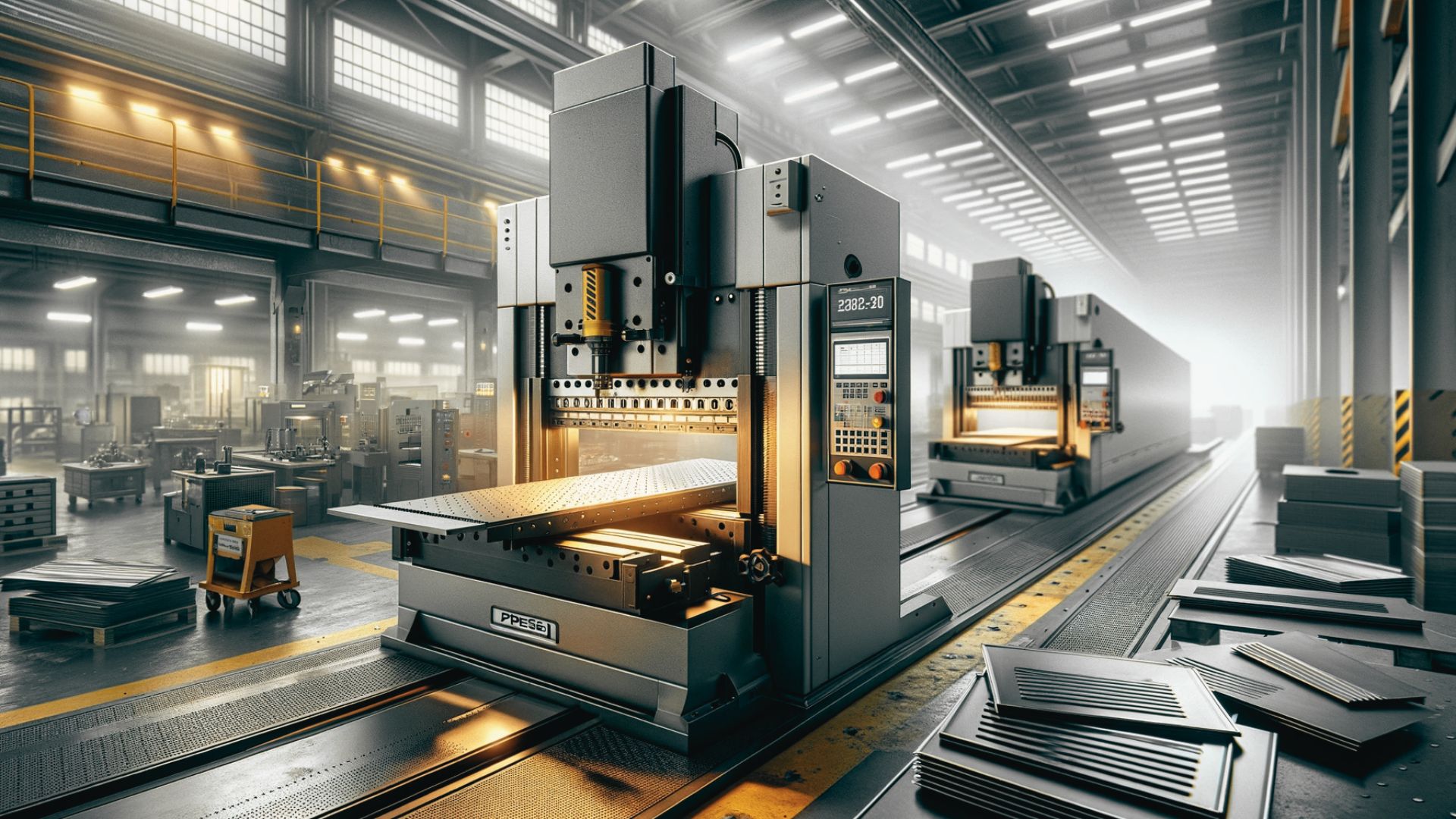
Premium Bent and Punched Parts Production Services As industry frontrunners in premium bent and punched parts production services, our expertise in custom metalwork solutions is second to none. We fuse enduring craftsmanship with state-of-the-art technology to furnish industries with precision engineering parts that underpin their efficacy and innovation. TEVEMA has been a paragon in the technical spring market since 1936, ensuring each project benefits from our deep-rooted heritage in automated punching solutions and metal fabrication and bending. Key Takeaways Introducing Our Premium Bent and Punched Parts Production At the heart of our operations lies the ethos of precision and dedication, which have established us as metal bending experts. We deliver bent and punched parts production with an unwavering commitment to meeting our clients’ diverse needs. Our technicians are well-versed in precision punching and bending. They bring unparalleled expertise to each project, ensuring stringent quality standards for every piece. We define our approach to industrial metalwork with an intricate blend of innovation and a rich heritage in custom metal fabrication. Enabling this synergy is our array of state-of-the-art facilities, each equipped to handle complex metal forming challenges. Here, utilising advanced techniques, we mould and shape materials into components that not only serve their intended function but also stand the test of time. Learn more about advanced manufacturing technologies. We believe that our meticulous planning and execution of custom projects are what set us apart in this competitive industry. Witness our dedication to excellence in the table below, which outlines the key facets of our bent and punched parts production capabilities: Capability Detail Impact Metal Bending Precision forming for a variety of metals Creates functional, enduring components Punching Precision High-accuracy punching for complex shapes Guarantees exact specifications are met Material Diversity Adaptable to various metals and alloys Provides versatility in production applications Technician Expertise Skilled workforce with extensive training Ensures quality and precision in every part Industry Applications Parts suited for automotive, aerospace, electronics, and more Meets specific industry standards and requirements We are proud to serve as your partner in industrial excellence, offering custom solutions that not only fulfil your requirements but also contribute to enhancing your operations. Trust in our ability to deliver with precision, every time. Custom Bent Parts Manufacturing Expertise In a realm where precision metalwork is the currency of innovation, we pride ourselves on a heritage steeped in expertise with custom bent parts manufacturing. Forging ahead in the industry, our tailor-made solutions are committed to meticulous detail and nuanced craftsmanship. Our Approach to Precision Metalwork Our journey to meticulously crafted metal components begins with a precise understanding of our clients’ specifications. We specialize in delivering custom metal parts with advanced technology and seasoned skill. Our hands orchestrate every contour and angle, ensuring precision metalwork that surpasses the demands of any application. Utilizing Advanced CNC Bending Services Advancements in our CNC bending services have calibrated our production processes to an echelon of efficiency. We swiftly metamorphose concepts into tangible components which harmonise with both short runs and the momentum of high-volume demand. The pulsating heart of our operation is a fleet of sophisticated machinery, wielding the capacity for unparalleled consistency in every curve and corner compounded. Comprehensive Industrial Part Fabrication Solutions We revel in challenges posed by projects diverse in complexity, wielding comprehensive industrial part fabrication solutions as our arsenal. Our adeptness spans across variably complex geometries, targeted to accommodate the intrinsic features engraved within each unique metal part. Our robust adaptability demonstrates our dedication. We custom fit parts to meet our clients’ exclusive needs. This establishes us as elite manufacturers of custom bent parts. Precision Engineering Parts for Diverse Industries Many industries highly regard our manufacturing of precision engineering parts. Bespoke accuracy is not just desired but mandatory in various sectors. In the automotive field, our custom metalwork solutions meet the industry’s demand for performance and reliability. Meanwhile, the aerospace industry trusts our industrial part fabrication to ensure both safety and innovation. For the electronics sector, precision metal bending underpins the miniaturisation and functionality of their advanced equipment. Every sector receives our full commitment to quality and adaptability. Custom metalwork solutions constitute the crux of our services, as we recognise the unique demands each industry presents. We surround ourselves with advanced technologies and a fortification of experience to fabricate parts that are not just components but are core to the functional success of our client’s endeavours. From conception to application, our offerings are tailormade to infuse seamlessly within the mechanics of your operations. See the encompassing range of our capabilities in the table presented below. Industry Sector Requirement Our Custom Solution Automotive High strength and fatigue resistance Meticulous metal alloy selection and endurance testing Aerospace Lightweight yet robust structures Innovative precision metal bending with strict adherence to weight specifications Electronics Compact, complex configurations Micro-precision engineering parts fabricated for high-density applications Industrial Machinery Durable parts for heavy-duty use Robust industrial part fabrication processes for enhanced longevity Medical Devices Components with high-precision and compliance Regulation-compliant custom parts meeting stringent medical standards As your manufacturing partner, we dedicate our machinery and skill to develop precision engineering parts that not merely fill a requirement but elevate your product’s integrity and function. We pledge to imbue our craftsmanship into each bespoke part, reinforcing your industrial might and advancing your competitive edge. The Significance of High-Volume Part Punching In the domain of industrial manufacturing, the ability to execute high-volume part punching is not just an asset but a necessity for those sectors demanding large-scale production. Our commitment to this vital service is unwavering, as it assures our clients that quantity never compromises quality. Our industrial punching services are meticulously designed to manage the high-capacity needs of our clients while maintaining the utmost standards of precision. Scaling Production with Automated Punching Solutions Our automated punching solutions are the backbone of our capacity to scale production efficiently. When faced with immense volume and tight deadlines, our advanced machinery allows us to rapidly fabricate while maintaining detail and uniformity. These solutions enable us to provide clients with the speed and consistency required to meet their market demands. Efficiency in Metal Presswork Specialists’ Processes As seasoned metal presswork specialists, we pride ourselves on the efficiency of our processes. We approach every task with

Read more "

Top Quality Vehicle Suspension Springs With Optimised Wheel Alignment

As professional manufacturers, we take great pride in introducing our top-quality vehicle suspension springs. These springs are designed to ensure optimal wheel alignment. At TEVEMA, we understand the importance of ride quality, stability, and control. Our optimized wheel alignment technology guarantees unbeatable ride quality and exceptional comfort. We have over 80 years of experience, earning us a reputation as a trusted brand. We’re known for our unparalleled technical expertise, extensive product range, and exceptional customer support. Key Takeaways Leading Supplier of Technical Springs in Europe We at TEVEMA have recognized ourselves as a renowned supplier of technical springs in Europe since 1936. Whether you require compression springs from stock or customized solutions, we have covered you. Our vast range of spring options ensures you will always find what you need for your vehicle suspension system. At TEVEMA, we take pride in delivering high-quality technical springs that meet your requirements. Our team of experts works closely with you to identify your needs and develop solutions tailored to your specifications. We commit to exceptional customer service and support and will go the extra mile to meet your needs. You can reach out to us for inquiries or to learn more about our technical spring solutions. Contact us at sales@tevema.com or call +31 20 682 2961. Extensive Range of Suspension Springs TEVEMA takes pride in offering a wide range of suspension springs to meet our valued customers’ diverse needs. Our collection includes various automotive springs, including torsion, compression, extension, disc, constant force, die, and custom springs. We understand that every suspension system is unique, so we offer customized solutions for your needs. Whether you require off-the-shelf springs or custom-designed ones, we have the solution. High-quality spring material makes our springs ensures reliable and durable performance. We use advanced manufacturing techniques and superior quality control processes to ensure our springs meet your requirements. Our torsion springs generate rotational force and frequently use suspension systems, whereas our compression springs withstand linear force and absorb shock. We also offer extension springs that store energy and release it when needed, disc springs that absorb shock and constant force springs that provide uniform tension. Customers commonly use our die springs in heavy-duty applications to achieve high load capacity under extreme conditions. Our expert team will help you find the best suspension system solution, whether you need leaf springs or coil springs for your automotive needs. Contact us today at sales@tevema.com or +31 20 682 2961 to learn more about our extensive range of suspension springs. Superior Design and Durability Regarding spring design, we at TEVEMA take pride in engineering products that offer superior durability and long-lasting performance. We understand that spring fatigue can lead to failure. Therefore, we take the time to evaluate the optimal spring material, gauge, and coating for corrosion resistance. Our coatings adhere to strict standards and offer excellent durability for long-term use. We believe investing in high-quality finishes and spring coatings empowers our customers to enjoy long-lasting suspension system performance. Our spring design process leverages extensive engineering expertise to provide suspension springs that are tailor-made to your requirements. We consider several variables to ensure optimal performance, including spring rate and load capacity. Our sophisticated software and testing equipment enables us to create custom solutions with unparalleled precision. We commit to meeting or exceeding your spring design and performance expectations. Spring durability is critical, particularly when it comes to automotive springs. TEVEMA springs are built to last and designed for optimal performance. Our springs undergo rigorous load testing to ensure they meet our high-quality standards. We take pride in our commitment to superior design and durability, and we believe it sets us apart from other spring suppliers.For more information on TEVEMA’s spring design, durability, fatigue, coating, and corrosion resistance, contact our sales team at sales@tevema.com or +31 20 682 2961. Optimised Wheel Alignment for Enhanced Ride Quality At TEVEMA, we understand the importance of vehicle geometry in delivering optimal ride quality and stability. We have developed top-quality vehicle suspension springs with optimized wheel alignment technology. This ensures that your vehicle’s wheels have the correct angle and contact with the road, minimizing wear and tear on your tires, and providing a smooth and comfortable ride. Our optimized wheel alignment allows you to experience unbeatable control, stability, and comfort on the road. Our suspension springs are engineered to ensure the best performance of your vehicle’s suspension system, improving its ability to absorb shocks and vibrations. This enhances the ride quality and passenger comfort, allowing you to focus on the road ahead without worrying about bumps and uneven surfaces. With our optimized wheel alignment technology, you can rest assured that your vehicle’s suspension system is working at its best, providing you with the ride comfort you deserve. Contact us today at sales@tevema.com or +31 20 682 2961 to learn more about our suspension spring solutions and how we can help you achieve optimal wheel alignment for your vehicle. Trust TEVEMA, Europe’s leading supplier of technical springs since 1936, for all your suspension spring needs. Custom Springs Tailored to Your Needs At TEVEMA, we are not just a spring manufacturer or supplier but a complete solution provider for your suspension spring needs. We understand that every vehicle has unique requirements, so we offer custom spring solutions tailored to your needs. Our experienced spring specialists will work closely with you to determine the required spring tension, load capacity, and rate. We use the latest technology and equipment to design and manufacture customized springs that meet your requirements and specifications. Whether you need a single spring or a large quantity, we can provide high-quality custom springs designed and manufactured to your exact specifications. With our custom springs, you can ensure optimal performance, reliability, and longevity. We take great pride in our ability to offer customized solutions that meet each customer’s unique needs. Whether you need compression springs, torsion springs, extension springs, disc springs, constant force springs, or die springs, our custom spring solutions have got you covered. Contact us at sales@tevema.com or +31 20 682 2961 to discuss your suspension spring needs and explore our custom spring solutions. Tevema’s Quality Standards and Expertise TEVEMA has established itself as a trusted supplier of European technical springs, boasting over 80 years of

Read more "

Trusted Provider of Springs

Trusted Provider of Springs Springs play a vital role in various industries, including automotive, aerospace, healthcare, and manufacturing. These small but crucial components serve as connectors, absorbers, and energy storage devices, making them indispensable in countless applications. When it comes to sourcing springs, partnering with a trusted provider that offers high-quality products, reliable expertise, and exceptional customer service is essential. The Importance of Choosing a Trusted Provider Selecting a reputable and reliable provider for your spring needs is crucial for several reasons: Quality Assurance A trusted provider of springs ensures that the products they offer meet or exceed industry standards. They employ stringent quality control measures, utilizing advanced techniques and technologies to deliver springs of exceptional quality. By choosing a trusted provider, you can be confident in the durability and reliability of the springs you acquire. In order to ensure high-quality springs, trusted providers implement strict quality assurance processes. These processes involve thorough testing and inspection of the springs at every stage of production. Advanced techniques, such as non-destructive testing, are employed to detect any defects or inconsistencies in the springs’ material composition or structure. Additionally, trusted providers invest in cutting-edge technologies, such as computer-aided design (CAD) software and precision manufacturing equipment. These tools enable them to design and produce springs with precise dimensions and specifications, ensuring optimal performance and longevity. Expertise and Experience A reliable spring provider possesses a team of experts with extensive knowledge and experience in the field. They understand the intricacies of springs, including their design, materials, and applications. These experts can provide valuable guidance and recommendations based on your specific requirements, ensuring you receive the most suitable springs for your intended use. The expertise and experience of a trusted spring provider go beyond simply supplying springs. They can offer valuable insights into the design and engineering aspects of your applications. By understanding your unique needs and challenges, they can collaborate with you to develop customized spring solutions that optimize performance and efficiency. Furthermore, their knowledge of different materials and their properties allows them to recommend the most suitable material for your specific application. Whether it’s stainless steel for corrosion resistance or alloy steel for high strength, a trusted provider can ensure that the material selection aligns with your desired performance requirements. Customization Options Every application has unique needs, and a trusted spring provider understands the importance of customized solutions. They offer a wide range of customization options, allowing you to tailor the springs to your specific requirements. Whether you need specific dimensions, materials, or performance characteristics, a trusted provider can deliver the perfect springs to meet your needs. Customization options provided by trusted spring providers include: By offering these customization options, trusted providers ensure that the springs you receive are precisely tailored to meet your unique needs, resulting in improved performance, longevity, and overall satisfaction. Timely and Reliable Delivery Choosing a trusted provider means you can expect timely and reliable delivery of your springs. They have established efficient supply chains and logistics, ensuring that your orders reach you promptly. This reliability is crucial in industries where delays can result in significant production setbacks or operational disruptions. To ensure timely and reliable delivery, trusted spring providers maintain a well-organized inventory management system. This system allows them to accurately track stock levels and plan production schedules accordingly. By having the necessary springs readily available, they can fulfill orders promptly, minimizing lead times and avoiding unnecessary delays. Additionally, trusted providers collaborate with reliable shipping partners to ensure secure and timely delivery. They carefully package the springs to protect them from damage during transportation, utilizing appropriate cushioning and protective materials. This attention to detail ensures that the springs arrive at your doorstep in pristine condition, ready for immediate use. Exceptional Customer Service A trusted provider of springs values their customers and prioritizes exceptional customer service. They are committed to understanding your needs, addressing your concerns, and providing prompt and satisfactory solutions. Whether you require technical assistance or have specific inquiries, a reliable provider will be readily available to assist you, strengthening your partnership and ensuring your satisfaction. Exceptional customer service provided by trusted spring providers includes: By prioritizing exceptional customer service, trusted providers build strong and long-lasting relationships with their customers. They understand that your success is their success, and they are dedicated to ensuring your satisfaction at every step of the process. What to Look for in a Trusted Provider When selecting a trusted provider of springs, it is essential to consider several factors: Industry Reputation Research the provider’s reputation within the industry. Look for reviews, testimonials, and case studies that demonstrate their track record of delivering high-quality products and reliable services. A provider with a strong reputation is more likely to meet your expectations and deliver exceptional results. A trusted spring provider with a strong industry reputation is often recognized for their commitment to excellence and customer satisfaction. They have a proven track record of consistently meeting and exceeding the expectations of their clients. Positive reviews and testimonials from satisfied customers further validate their reputation and give you confidence in their ability to deliver high-quality springs. Additionally, consider their involvement in industry associations and their participation in conferences or exhibitions. Active participation in the industry indicates their commitment to staying updated with the latest advancements and best practices, ensuring that they can provide you with the most innovative and reliable solutions. Quality Certifications Check if the provider has attained relevant quality certifications, such as ISO 9001. These certifications indicate that the provider adheres to strict quality management systems and processes, ensuring consistent product excellence. Working with a certified provider instills confidence in the quality of the springs you will receive. Quality certifications demonstrate a provider’s commitment to maintaining high standards throughout their operations. ISO 9001 certification, for example, signifies that the provider has implemented a robust quality management system that follows internationally recognized standards. This certification ensures that the provider consistently meets customer requirements and continuously improves their processes to deliver exceptional products and services. By

Read more "

Professional Manufacturer of Springs: An Introduction

Springs, those elastic objects that store mechanical energy, have been pivotal in various industries for centuries. Their dynamics and elasticity have been the subject of numerous scientific studies, leading to their design and application advancements. In this discourse, we delve into the importance of springs, their historical evolution, and the legacy of Tevema, a leading European manufacturer. History and Evolution of Spring Manufacturing From the simple torsion springs in ancient door locks to the complex compression springs in modern machinery, the journey of spring manufacturing is both fascinating and enlightening. The spring manufacturing processes have evolved, incorporating advance technology and engineering expertise to meet the diverse needs of industries. Tevema, with its rich history since 1936, stands as a testament to this evolution. Established in the heart of Europe, Tevema has witnessed the transformation of spring manufacturing from rudimentary methods to state-of-the-art techniques. Their journey is not just about manufacturing springs but about crafting precision, ensuring high quality, and setting industry standards. Types of Springs and Their Applications Springs come in various shapes and sizes, each designed for specific applications. Some of the prominent types include: Tevema’s webshop offers many of these springs, catering to automotive, lighting, and semiconductors sectors. Their products, ranging from simple wire forms to intricate tension springs, are a testament to their manufacturing prowess and commitment to quality. Applications in Various Industries The versatility of springs is evident in their widespread use: In conclusion, springs’ myriad applications and types have been integral to technological advancements. As we delve deeper into their manufacturing processes and applications in subsequent sections, we’ll discover the pivotal role companies like Tevema play in pushing the boundaries of what’s possible with springs. The Art and Science of Spring Manufacturing The mechanical properties of springs, combined with their elasticity and force calculation, make them indispensable in a myriad of applications. However, the journey from raw material to a finished spring is one of intricate precision and technological prowess. In this section, we delve into the manufacturing process of springs and explore why Tevema stands out as a beacon of excellence in this domain. The Manufacturing Process of Springs The spring manufacturing process combines art and science, requiring a deep understanding of spring dynamics and material selection. The process begins with selecting the right material, typically spring steel, which is then subjected to various processes to achieve the desired shape and properties. Wire forming techniques play a crucial role in shaping the spring. The wire is coiled into the desired shape, followed by heat treatment to enhance its mechanical properties. Subsequent processes might include grinding, setting, and surface treatments like coating or plating to improve corrosion resistance and fatigue limits. Tevema’s Unique Manufacturing Capabilities Tevema, with its 80+ years of experience, has perfected the art of spring manufacturing. Our facilities have state-of-the-art machinery, ensuring precision and consistency in every spring produced. Some highlights of our manufacturing capabilities include: Why Choose Tevema? Choosing a spring manufacturer is not merely about finding someone who can produce springs. It’s about partnering with a manufacturer who understands the nuances of spring design, offers a vast product range, and prioritises quality above all. Here’s why Tevema is the preferred choice for many: In conclusion, while springs might seem like simple objects, their manufacturing is anything but. It requires a blend of art, science, and technology that Tevema has mastered over the years. Delving Deeper: FAQs and Making the Right Choice in Spring Manufacturing With their intricate mechanical properties and vast applications, springs often raise questions among enthusiasts and professionals alike. This section addresses some frequently asked questions about springs and provides insights into choosing the right spring manufacturer. Frequently Asked Questions (FAQs) about Springs What are the primary materials used in spring manufacturing? Springs are primarily made from spring steel, a high-carbon steel specifically designed to exhibit high elasticity and return properties. Depending on the application, other materials might include stainless steel, bronze, and even titanium. How is the load-bearing capacity of a spring determined? The spring force calculation is a crucial aspect of its design. Factors like wire diameter, coil diameter, and material properties determine it. Advanced spring dynamics and testing ensure a spring can handle the desired load. Why do springs lose their elasticity over time? Springs undergo a phenomenon called ‘fatigue’. Continuous loading and unloading can lead to microscopic cracks in the material, eventually causing the spring to fail. Proper material selection and design can mitigate this to an extent. Further reading on spring fatigue can be found here. Choosing the Right Spring Manufacturer Making an informed choice is paramount in the vast sea of spring manufacturers. Here’s what to consider: Why Tevema Stands Out With our 80+ years of experience and commitment to high quality, we at Tevema have carved a niche for ourselves in the spring manufacturing industry. Our vast product range and our emphasis on innovation and customer satisfaction make us a preferred choice for many. In Conclusion Springs’ myriad applications and intricate design considerations are a testament to human ingenuity. Partnering with the right manufacturer becomes even more crucial as we continue to push the boundaries of what’s possible with springs. And in that journey, Tevema stands as a beacon of excellence and reliability.

Read more "

The Evolution of Spring Manufacturing

Introduction to Springs and Their Significance In their myriad forms, springs have been pivotal in the evolution of machinery and devices. These elastic objects, made predominantly from spring steel, serve the primary function of storing mechanical energy. Their ubiquity in everyday applications, from the humble pen to complex machinery, underscores their importance. At the heart of this industry, with over eight decades of expertise, stands Tevema, a beacon of quality and innovation. The Historical Context of Spring Manufacturing From the rudimentary blacksmiths of yesteryears to the sophisticated manufacturers of today, the journey of spring manufacturing is a testament to human ingenuity. The industry has witnessed a paradigm shift, transitioning from manual craftsmanship to automated precision. Historical records indicate the meticulous evolution of techniques and materials over the centuries. In this transformative journey, Tevema has carved a niche for itself. Established in 1936, our legacy spans generations, making us one of Europe’s leading suppliers. Our commitment to excellence is rooted in: The Imperative of Experience in Spring Manufacturing In spring manufacturing, experience is not just a metric of time but a testament to consistent quality, innovation, and reliability. The intricate process of creating springs demands a blend of art and science. Here’s why experience is paramount: At Tevema, our 80+ years in the industry is a testament to our unwavering commitment to these principles. Our legacy is built on the bedrock of trust, quality, and an undying passion for excellence. Types of Springs and Their Significance in Modern Applications Diverse Types of Springs and Their Multifaceted Applications In mechanical engineering, springs are quintessential components, integral to many devices and machinery. Their elastic properties allow them to store and release energy, making them indispensable in various applications. Let’s delve into the different types of springs and their myriad applications: Compression Springs Extension Springs Torsion Springs At Tevema, our webshop showcases a wide range of these products, reflecting our deep expertise and commitment to catering to diverse industry needs. The Art and Science of Customised Spring Manufacturing In the ever-evolving landscape of modern industries, customized solutions are paramount. Whether for a niche medical instrument or a high-performance automotive component, the demand for tailor-made springs is rising. Here’s why customization in spring manufacturing is crucial: At Tevema, we pride ourselves on our capability to produce almost every spring on demand, reflecting our commitment to innovation and excellence. Ensuring Quality: The Gold Standard in Spring Manufacturing In spring manufacturing, quality assurance is not just a buzzword; it’s a commitment. Ensuring that every spring that rolls off the production line meets stringent safety and performance standards is paramount. Here’s how quality assurance plays a pivotal role: At Tevema, our unwavering commitment to producing products that are made to last is a testament to our dedication to quality and safety. Addressing Queries: The Spring Manufacturing FAQs Frequently Asked Questions about Spring Manufacturing In the intricate world of spring manufacturing, queries abound. From discerning the hallmarks of an experienced spring manufacturer to understanding the nuances of custom orders, here we address some of the most frequently posed questions. What Makes an Experienced Spring Manufacturer Stand Out? How Does Tevema Ensure the Quality of Its Products? At Tevema, quality isn’t just a buzzword; it’s a promise. Our commitment to excellence is reflected in: What Types of Industries Does Tevema Cater To? Tevema‘s extensive range of springs finds applications in a plethora of industries, including: How Can One Place a Custom Order with Tevema? Placing a custom order is a seamless process. Simply: In Conclusion: The Pinnacle of Spring Manufacturing In the vast realm of mechanical components, springs stand as unsung heroes, silently powering countless devices and machinery. Choosing an experienced manufacturer like Tevema ensures not just a product but a legacy of quality, innovation, and reliability. As we navigate the future, our commitment remains unwavering: to deliver excellence in every coil, every twist, every spring.

Read more "

Introduction to Springs and Tevema

Introduction to Custom-Manufactured Springs Springs, in their essence, are elastic objects designed to store mechanical energy. Their significance in various applications, from simple household gadgets to complex industrial machinery, cannot be overstated. Customizing springs, tailored to specific requirements, has become paramount in modern engineering and design. At the forefront of this evolution stands Tevema, a beacon in Europe’s spring manufacturing realm. With its roots deeply entrenched in the industry, Tevema has consistently showcased its prowess in delivering top-notch custom springs, catering to many applications. History and Evolution of Springs Springs have undergone a remarkable transformation from the ancient bow and arrow to the modern-day car suspension. Their mechanical properties have been harnessed for centuries, evolving in design and application: The historical significance of springs is vast. They’ve been instrumental in the progress of various technological advancements. For instance, the Spring Manufacturers Institute offers a deep dive into the evolution of springs, shedding light on their journey from rudimentary designs to sophisticated, custom-engineered solutions. The Imperative of Custom Springs The demand for precision and efficiency has skyrocketed in today’s fast-paced world. Industries across the board seek components tailored to their unique requirements. Herein lies the importance of custom springs: In conclusion, the realm of custom-manufactured springs is vast and ever-evolving. With companies like Tevema leading the charge, the future of this industry segment looks promising, marked by innovation and excellence. Tevema’s Expertise and Spring Types Tevema: A Legacy in Spring Manufacturing Established in 1936, Tevema is a testament to spring manufacturing excellence. With its rich history and unwavering commitment to quality, Tevema has carved a niche in the European market. The company’s dedication to precision and innovation is evident in its wide range of products in its webshop, ensuring that clients receive tailored solutions for their specific needs. Spring manufacturing is vast, with numerous players vying for a foothold. However, Tevema’s unique approach, combining traditional craftsmanship with modern technology, sets it apart. A visit to the Spring Manufacturers Institute offers insights into the industry’s intricacies, further highlighting Tevema’s standout position in this competitive landscape. Diverse Types of Springs and Their Multifaceted Applications Springs, in their myriad forms, cater to a plethora of applications. Their versatility is a testament to their engineering marvel. Here’s a closer look at the different types of springs and their specific applications: Compression Springs Extension Springs Torsion Springs Disc Springs Constant Force Springs Die Springs Gas Springs In conclusion, springs, with their diverse types and applications, form the backbone of numerous industries. Companies like Tevema, with their expertise and commitment to quality, ensure that these springs are manufactured to the highest standards, catering to the ever-evolving needs of the modern world. Manufacturing Process and FAQs Custom Spring Manufacturing Process The art of spring manufacturing is a meticulous process, demanding precision, expertise, and a keen understanding of mechanical properties. At its core, the process revolves around tailoring springs to specific client requirements, ensuring optimal performance and durability. The initial phase involves a comprehensive analysis of the client’s specifications. This is followed by determining the most efficient metal forming and custom spring manufacturing methods. Companies like Tevema have pioneered techniques that seamlessly blend traditional craftsmanship with cutting-edge technology. For a deeper understanding of the intricacies involved in spring manufacturing, the Institute of Spring Technology offers valuable insights. Once the design is finalized, it undergoes rigorous testing to meet the desired specifications. The emphasis is on ensuring that the spring performs its intended function and stands the test of time. FAQs on Custom Spring Manufacturing The world of custom spring manufacturing is vast, and several questions arise. Here are some frequently asked questions and their answers: Q1: What materials are commonly used in spring manufacturing? Q2: How does Tevema ensure the quality of its springs? Q3: Can I order custom springs from Tevema’s webshop? Q4: What industries commonly require custom springs? Q5: How long does it take to manufacture and deliver custom springs? In Conclusion Springs, with their myriad applications, are indispensable. Their manufacturing process, while intricate, is a testament to human ingenuity and technological advancement. With companies like Tevema at the helm, one can rest assured that the springs they procure are of the highest caliber, tailor-made to perfection.

Read more "
Scroll to Top